Garden Landscaping in Erith: Creating Outdoor Spaces That Suit Local Homes and Businesses
If you are looking for garden landscaping in Erith, you may already have a clear idea that your outdoor space needs more than a quick tidy-up. Many gardens in the area are shaped by practical realities: compact town gardens, longer family plots, side returns, paved yards, shared access, and outdoor areas that have to work hard through wet winters and bright summer spells. The right landscaping approach can turn all of that into a space that feels smarter, easier to maintain, and more enjoyable to use every day.
For local homeowners, landlords, and commercial property managers, landscaping is often about solving real problems first: poor drainage, awkward layouts, tired planting, worn paths, overgrown borders, patchy lawns, or a patio that no longer matches the way the property is used. A well-planned garden can improve the look of a home, add usable space for family life, and create a better first impression for visitors, customers, and tenants.
Whether you want a full redesign or a smaller improvement project, a local team can help you shape a practical plan that suits your property, your budget, and your long-term maintenance preferences. From hard landscaping and planting schemes to turfing, raised beds, screening, and clean-up work, garden landscaping in Erith should always be tailored to the space rather than copied from a one-size-fits-all idea.
Why Erith gardens need practical, local landscaping

Erith has a wide mix of property types, and that means no two gardens are quite the same. Some homes have narrow rear gardens where every metre matters. Others have generous plots that have become difficult to manage because of old paving, worn borders, uneven ground, or large sections of lawn that are too much to maintain. There are also commercial and communal spaces that need to look tidy without demanding constant attention.
A local landscaping service understands how these spaces are used in everyday life. In many cases, the goal is not to create a showpiece that only works in ideal weather. It is to build an outdoor area that drains well, is accessible, and can cope with family use, pets, entertaining, or regular footfall. For businesses, schools, housing developments, and rented properties, the emphasis may be on neatness, durability, and low maintenance rather than decorative detail.
Because the area includes older streets, newer developments, and properties with access limits, local knowledge matters. A team used to working in and around Erith is more likely to plan around parking restrictions, shared driveways, limited side access, and the practicalities of moving materials without disturbing neighbours. That can make the entire process smoother and less stressful from the start.
What garden landscaping can include
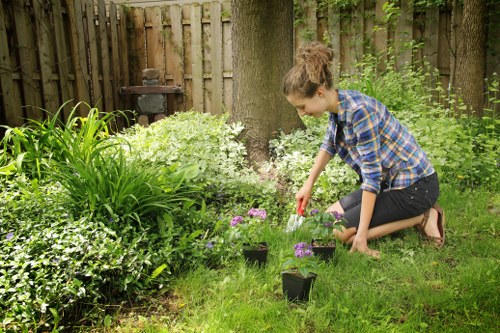
Garden landscaping is not just about planting flowers. It can cover the full transformation of an outdoor space, from the ground levels and structure through to finishing touches. Depending on what you need, the service may include design ideas, hard landscaping, planting, and regular maintenance support once the main work is complete.
Common elements of landscaping services in Erith include:
- Patios and paving for seating, dining, or easy access.
- Decking for raised or level outdoor entertaining areas.
- Fencing and screening to improve privacy and boundary definition.
- Turfing and lawn replacement for fresh, usable green space.
- Raised beds and planters for structure, colour, and easier gardening.
- Planting schemes chosen for seasonality, style, and maintenance needs.
- Paths and stepping routes to improve movement across the garden.
- Drainage improvements where water collects or soil stays too wet.
- Garden clearance before a redesign or when a space has become overgrown.
Some customers want a full rework, while others only need a few key changes to make the garden usable again. A good landscaping plan should respect what already works in the space and improve the parts that do not.
How a landscaping project usually works
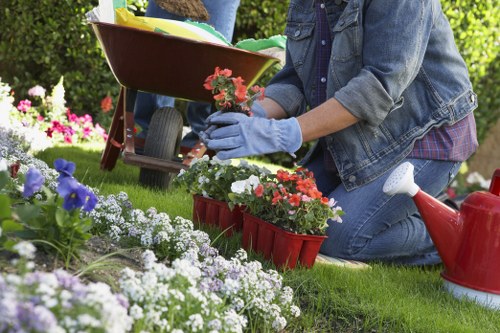
Every garden is different, but most projects follow a clear process. That helps keep expectations realistic and makes it easier to plan around access, weather, and the scope of the work. The exact stages will vary depending on the size of the job and whether the project is mainly structural, planting-focused, or a mix of both.
Typically, the process includes:
- Initial discussion about what you want to change, how you use the garden, and what issues need solving.
- Site assessment to look at layout, access, drainage, boundaries, light levels, and existing features.
- Practical recommendations based on your priorities, such as low maintenance, family use, privacy, or better flow.
- Quotation and scope so you understand what is included and what materials or stages are involved.
- Preparation and clearance if the space needs old materials, waste, or plant growth removed first.
- Main landscaping works such as construction, surfacing, edging, planting, or turf installation.
- Finishing and tidy-up so the space is ready to enjoy and easy to maintain.
For many customers, one of the most valuable parts of the service is the advice at the planning stage. A well-informed plan can prevent costly changes later and ensure the garden works properly from day one.
Designing a garden that fits your lifestyle
Good garden landscaping in Erith starts with the way you actually live. A young family may want a safe lawn area, space for bikes and toys, and a patio that can handle busy weekends. A retired homeowner may prefer accessible paths, easy-care beds, and seating areas that get the best of the sun. Landlords often want a layout that looks smart but does not create unnecessary upkeep between tenancies. Commercial customers may need a front or rear outdoor space that stays presentable with minimal intervention.
That is why a useful landscaping service should ask questions about routine and use, not just appearance. Do you need room for a washing line, bins, sheds, or garden furniture? Would you prefer evergreen planting, seasonal colour, or a structure that is mostly hard landscaped? Is there a need to screen neighbouring windows, reduce slippery surfaces, or improve access for prams, wheelchairs, or delivery routes? These details shape the right design.
In an area like Erith, where gardens can be compact and spaces may need to serve multiple purposes, every choice matters. A clean layout with sensible material choices often makes a bigger difference than adding lots of features that are difficult to maintain. Practical landscaping is often the most attractive result over time because it remains usable and neat year-round.
Popular landscaping ideas for local properties
Some of the most requested improvements in the area are straightforward, but effective:
- A neat patio with space for a table and chairs.
- Low-maintenance planting to replace difficult borders.
- Fresh turf or artificial alternatives depending on usage and preference.
- Fencing or trellis screening for privacy in overlooked gardens.
- Raised beds that define the layout and reduce bending for planting.
- New paths that make the garden easier to reach after rain.
- Simple lighting-ready layouts for safer evening use.
These changes can completely alter how a garden feels without making it overcomplicated.
Hard landscaping and soft landscaping: what is the difference?

When people talk about landscaping, they often mean two linked areas: hard landscaping and soft landscaping. Understanding the difference can help you decide what your outdoor space needs most.
Hard landscaping refers to the fixed, structural parts of the garden. This includes patios, paving, walls, edging, steps, fences, decking, gravel areas, and raised features. Hard landscaping creates the framework of the space and usually solves practical issues such as access, level changes, boundaries, and drainage.
Soft landscaping covers the living and growing parts of the garden. This includes turf, shrubs, trees, beds, borders, climbers, and planting schemes. Soft landscaping adds colour, texture, privacy, and seasonal interest. It can also soften the look of a newly built garden and make it feel more welcoming.
Most good projects use both. A strong patio without planting can feel stark, while a beautiful border without structure may not be easy to use. The best results usually come from combining both elements in a balanced way that suits the property.
When each one matters most
Hard landscaping tends to be the priority when the garden is uneven, inaccessible, poorly defined, or prone to puddling. Soft landscaping becomes more important when a space already has good structure but needs fresh life, better privacy, or easier upkeep. In many cases, a mix of both gives the most satisfying outcome.
What is included in a typical local landscaping service?

While each project is different, many customers want to know what is normally included when arranging garden landscaping in Erith. A local service often begins with a practical review of the space and then moves into preparation, construction, and finishing work based on what the garden needs.
A standard service may include:
- Removing unwanted plants, old materials, or damaged features.
- Level checks and preparation of the ground.
- Installing surfaces such as paving, slabs, turf, bark, gravel, or decking.
- Building or repairing borders, steps, or edging.
- Adding topsoil, compost, or suitable planting media.
- Planting shrubs, perennials, hedges, or climbers.
- Creating better flow between doors, seating areas, and side access points.
- Tidying and removing waste once the work is complete.
For larger projects, there may also be advice on drainage, layout, material selection, and how to phase the work if you want to complete the garden in stages. That can be especially helpful if you want to spread improvements over time while still making visible progress.
Why clear scope matters
Clear scope helps avoid confusion and keeps the project focused on what matters to you. It is useful to know which areas are being transformed, which materials are being used, and whether the work includes disposal, soil improvement, or final planting. When this is discussed early, it is much easier to compare options and make confident choices.
Challenges often found in Erith gardens
Local gardens can come with a few recurring challenges, and a practical landscaper will be familiar with them. Access can be limited in terraced streets or homes with shared side entry. Parking for vehicles and material delivery may require planning. Some gardens sit below fence level or have compacted soil that struggles to drain properly. Others have uneven concrete, tired old slabs, or long-standing overgrowth that has hidden the real shape of the space.
Many properties in Erith also need solutions that are friendly to busy day-to-day life. Residents may not have time to manage a complicated border scheme or mow a large lawn every week. Businesses may need a front area that looks presentable with minimal upkeep. Lettings and communal spaces often need robust materials that stand up to repeated use. A well-considered landscape design can address all of these concerns without making the garden feel plain.
That balance between appearance and practicality is often the key to a successful result. It is not just about how the garden looks on completion day. It is about how it performs across seasons and how much effort it takes to keep it in shape.
Preparing for your project
There are a few simple things you can do to make landscaping work go more smoothly. Preparation is not always essential, but it can help the team assess the space accurately and reduce delays once the project begins. This is especially useful when access is tight or the garden is very full of old items and growth.
Before work starts, you may want to:
- Clear away garden furniture, pots, toys, or anything fragile.
- Decide which plants, trees, or features you want to keep.
- Check whether side access, gates, or shared entrances need to be unlocked or made available.
- Think about where materials can be stored during the work.
- Let neighbours know if access or noise may affect them.
- Make a shortlist of priorities, such as privacy, low maintenance, seating, or drainage.
It also helps to think about how you want the garden to be used in the future. If you are planning a patio for family meals, a quiet seating corner, or a clear route to a shed or outbuilding, say so early. Small details can influence the final layout significantly.
Contact us today if you would like help planning a garden that feels more useful, attractive, and manageable.
Pricing factors to consider
People often ask what affects the cost of landscaping, and the honest answer is that it depends on several practical factors rather than one fixed rule. The size of the garden is an obvious one, but it is only part of the picture. Access, ground conditions, materials, waste removal, preparation time, and the complexity of the design all play a role.
For example, a simple turfing or planting refresh will usually involve less labour and fewer materials than a full redesign with new paving, borders, drainage work, and structural elements. A garden that is heavily overgrown or difficult to access may require extra clearance before the main work can begin. Likewise, premium materials, custom features, and multi-stage designs can influence the overall scope.
When comparing quotes, it helps to look beyond the headline figure. Ask what is included, whether preparation is covered, what happens with waste, and whether the work covers only installation or also finishing and tidying. A detailed scope makes it easier to compare like for like and choose the option that genuinely fits your needs.
Questions that can help before requesting a quote
- What parts of the garden need the most urgent improvement?
- Do you want a low-maintenance result or a more decorative finish?
- Will the space need to support children, pets, visitors, or regular use?
- Are there drainage, slope, or access issues to solve?
- Do you want the work completed in one phase or in stages?
Why choose a local company for garden landscaping in Erith?
There are real advantages to choosing a local team rather than a distant contractor who is unfamiliar with the area. A local company is more likely to understand the kind of properties found in Erith, the practical limitations that can come with them, and the best ways to manage work efficiently. That can save time, reduce disruption, and make planning much simpler.
Local knowledge is especially useful when dealing with access issues, shared boundaries, tight roads, or properties where materials need to be moved carefully. A team that regularly works nearby will be better prepared for these conditions and may also be more flexible when it comes to arranging visits, reviewing the site, or phasing the work around your schedule.
There is also value in having a service that is nearby if you need follow-up support or future improvements. Many customers prefer to build an ongoing relationship with a local landscaper who understands how the garden has been shaped and what materials or plants were used. That makes later maintenance or additions easier to plan.
Good local service should feel straightforward
Customers usually want a process that is clear, respectful, and well organised. That means arriving prepared, listening carefully, explaining options, and keeping the work focused on the agreed outcome. For domestic and commercial clients alike, that kind of reliability is often just as important as the finished appearance.
Areas covered around Erith
Garden landscaping work in Erith often extends to nearby neighbourhoods and surrounding parts of south-east London and north Kent. Depending on the project, services may also be relevant for customers in nearby areas such as Bexleyheath, Belvedere, Abbey Wood, Slade Green, Northumberland Heath, Thamesmead, Dartford, and Welling. Many local projects involve properties across these connected communities because the garden types and access conditions can be similar.
For customers in residential streets, flats with shared outdoor areas, business premises, and managed properties, it is helpful to choose a team that can work across a wider local patch. This makes scheduling easier and gives you a better chance of finding a service that can respond efficiently when the time is right for your project.
If you are not sure whether your property is within the usual working area, it is sensible to ask when requesting a quote. A local company can usually confirm quickly whether your project fits the area covered and what sort of service would be most suitable.
Frequently asked questions
Many customers preparing for landscaping work have similar questions. Here are some of the most common ones asked by local homeowners and businesses.
How long does garden landscaping take?
The timeframe depends on the size and complexity of the job. A small patio refresh or planting update may be completed much faster than a full redesign involving clearance, drainage, paving, turfing, fencing, and planting. Once the scope is agreed, you should be able to get a clearer sense of timing.
Can you help if my garden is overgrown?
Yes, overgrown gardens are often the starting point for landscaping projects. Clearing, cutting back, and preparing the area can reveal the real structure of the space and make it easier to plan improvements. In some cases, a clearance stage is the best first step before any design or installation work begins.
Do I need a design before asking for landscaping work?
Not always. Some customers come with a clear idea, while others only know what is not working. A practical discussion about usage, layout, and priorities is usually enough to begin shaping a plan. If needed, the project can develop in stages.
What if my garden has drainage problems?
Drainage is a common issue in outdoor spaces and should be assessed early. Depending on the cause, solutions may involve regrading, changing surface materials, improving soil conditions, or altering the layout so water can move away more effectively. This is one reason a site visit can be so valuable.
Can landscaping be low maintenance?
Absolutely. Many customers specifically want a garden that is easier to care for. That might mean fewer high-maintenance borders, more durable surfaces, well-chosen planting, and a layout that reduces time spent on routine upkeep. The best low-maintenance plan still looks attractive and feels welcoming.
Do you work on commercial outdoor spaces too?
Yes, landscaping is often needed for business premises, communal spaces, rental properties, and managed areas. These jobs usually focus on presentation, durability, and manageable upkeep so the property remains tidy and functional.
Getting ready to improve your outdoor space
If your garden no longer suits how you live or work, now is a good time to think about the changes that would make the biggest difference. Maybe the lawn is too patchy to use properly. Maybe the patio is too small, the borders are too demanding, or the layout wastes space. Or perhaps you simply want a garden that feels calmer, smarter, and easier to enjoy without constant maintenance.
With thoughtful planning and a local approach, garden landscaping in Erith can transform an awkward outdoor space into something far more practical and appealing. The best results often come from listening carefully, choosing materials with care, and making sure the final layout works for daily life as well as for special occasions.
Request a free quote or book your service now if you are ready to discuss a garden that fits your property and your plans. A well-executed landscape can make a real difference to how your home or business feels every day.